Alice Licht was the daughter of a Jewish family and grew up in Berlin-Tiergarten. Having had to leave school as a Jew in 1933 with no qualifications, she could not study medicine as planned. She trained as a secretary and worked for the Aid Association of Jews in Germany from 1938. Beginning in the spring of 1941, she had to perform forced labor, including in the ACETA AG artificial silk factory owned by I.G. Farbenindustrie AG. She achieved her dismissal by feigning a stomach ulcer, and Otto Weidt appointed her as a secretary in June 1941.
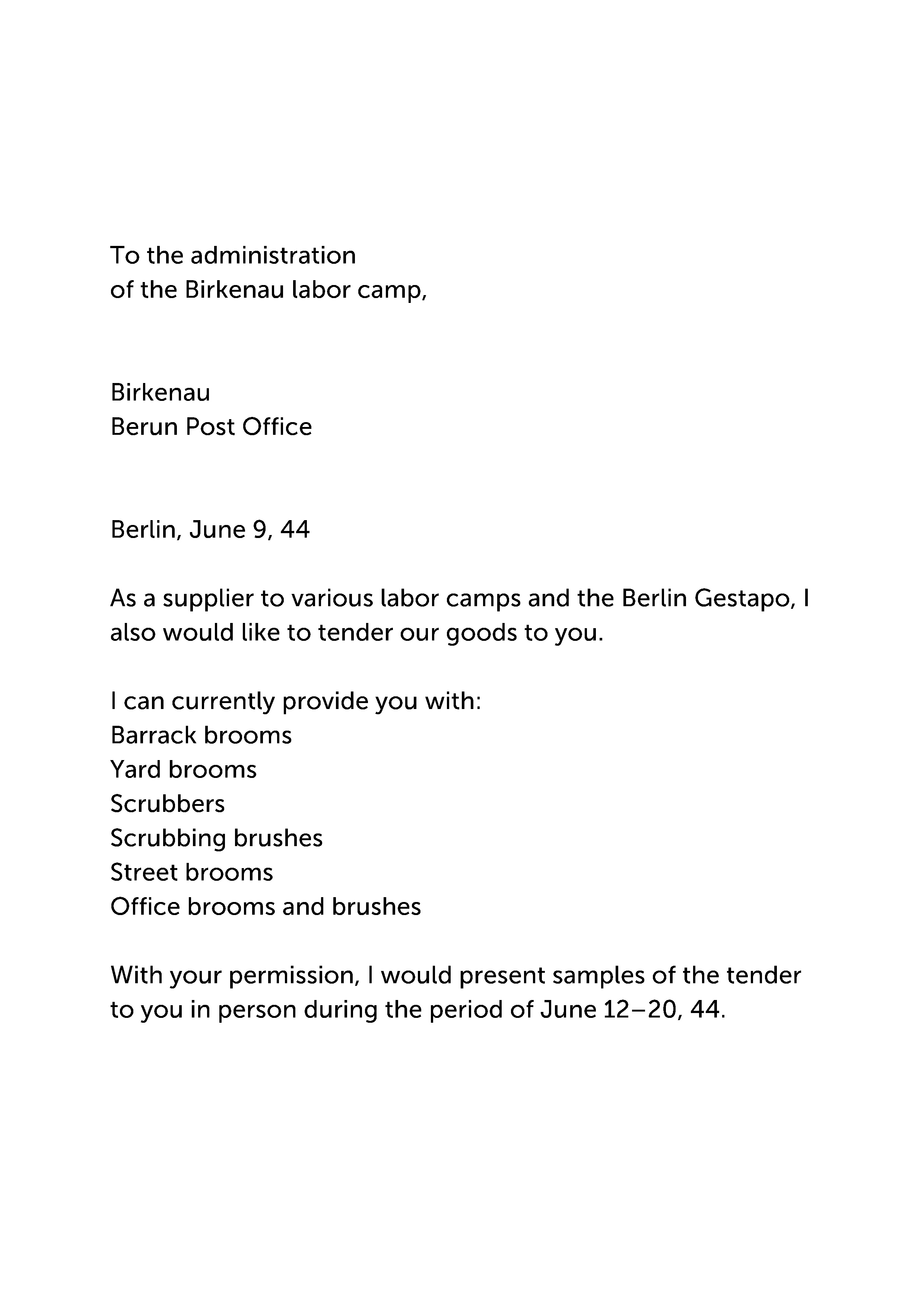
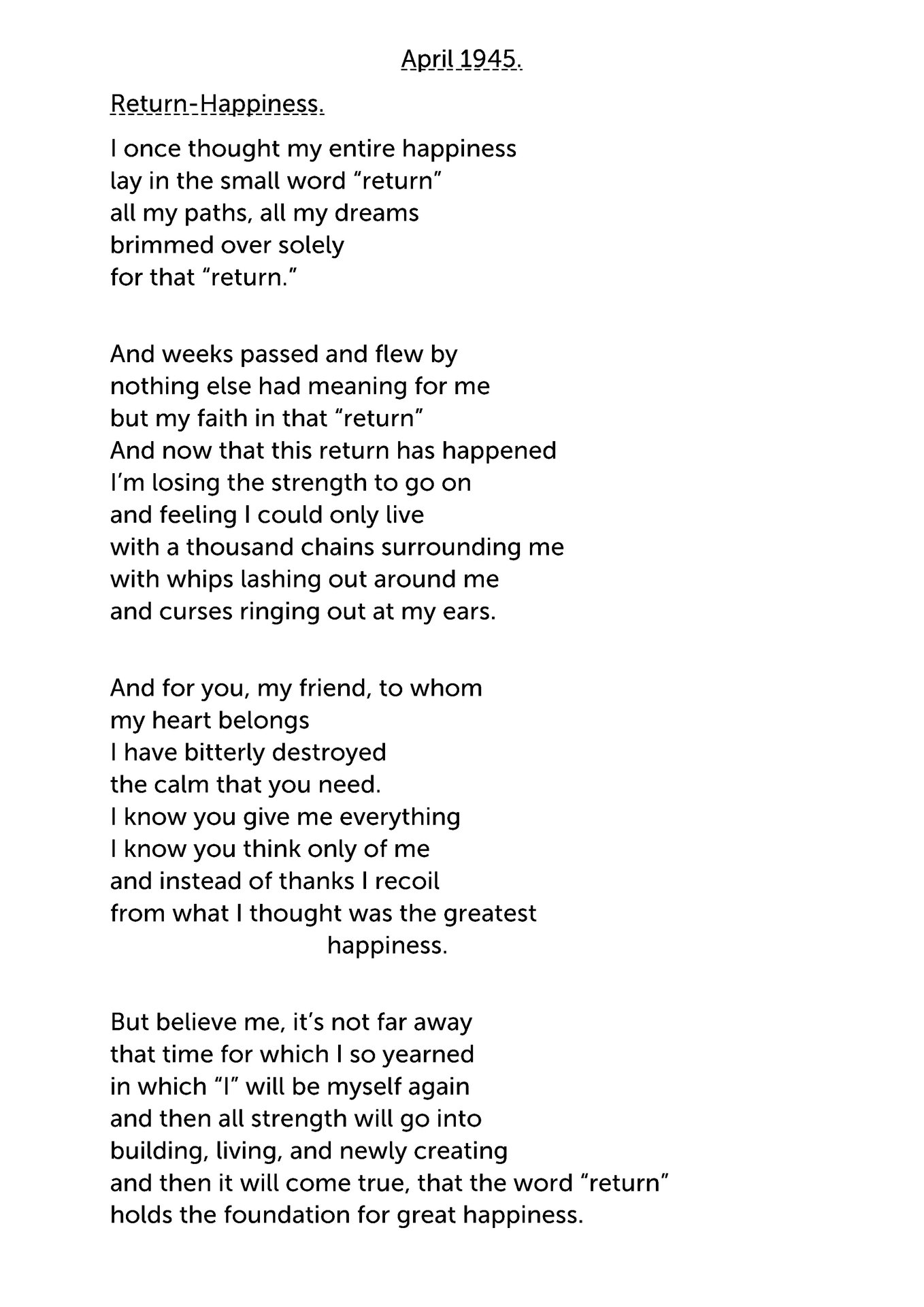
In February 1943 Otto Weidt hid Alice Licht and her parents Käthe and Georg Licht in a storage room in Berlin-Mitte. When the workshop for the blind was betrayed in October 1943, the Gestapo arrested Alice Licht and others. Her parents then turned themselves in to the Gestapo. The family was deported to the Theresienstadt ghetto, and six months later to Auschwitz-Birkenau extermination camp. When Otto Weidt learned of this, he went to Auschwitz under the pretext of offering the camp administration his brushes. By that point, Alice Licht had been transferred to the Christianstadt sub-camp of Groß-Rosen concentration camp. Otto Weidt followed her there. Via a Polish worker, he informed her that he had deposited civilian clothing, money, and medications for her nearby. When the camp was closed down as the Red Army approached at the end of January 1945, Alice Licht managed to escape from the death march. Alice Licht survived the end of the war in Otto and Else Weidt’s apartment in Berlin. She emigrated to the United States in the summer of 1946.

“One of those people was Otto Weidt, an upright and noble-minded character, fearless and a fighter for justice, selfless and inspired only by one wish: to help the poor, suffering, and persecuted, and to lighten each of their loads.”
Alice Brenner, née Licht, in a letter to the Israeli Holocaust memorial center Yad Vashem, dated October 4, 1962.